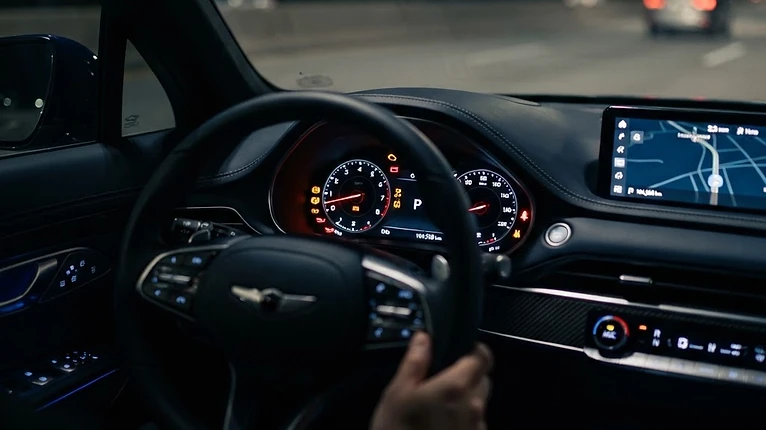
Understanding Your Car's Dashboard Warning Lights: A Canadian Driver's Guide
Don't ignore that dashboard light. Learn what those symbols mean, why they appear, and how Fixbud helps you decide if it's a DIY fix or a trip to the mechanic.
The Mystery of the Glowing Dashboard
If you are driving along the Trans-Canada Highway and a bright yellow or red light suddenly illuminates your dashboard, the immediate feeling is rarely calm. It’s usually a mix of confusion and mild panic. Modern vehicles are packed with sensors, and while these lights are designed to protect your car, they can often feel more like a cryptic puzzle than a helpful alert.
For many Canadian drivers, the first instinct is to wonder, 'Is this serious, or can I ignore it for now?' The answer depends heavily on which light has turned on and what that symbol actually represents.
Common Symbols and What They Mean
While every vehicle manufacturer has slightly different icons, there are several universal standards that most Canadian drivers will encounter:
- Check Engine Light (The 'Engine' Outline): This is the most common alert. It indicates an issue with the vehicle's emissions, ignition, or fuel system. It could be something as simple as a loose gas cap, or something requiring professional diagnosis.
- Brake System Warning (The '!' in a Circle): This is high priority. It could indicate low brake fluid, worn brake pads, or an issue with the Anti-lock Braking System (ABS). If this light is red, you should stop driving immediately.
- Tire Pressure Monitoring System (TPMS): The horseshoe shape with an exclamation point. As temperatures drop in the Canadian fall, air contracts and tire pressure often triggers this light. It’s a classic sign that your tires need a top-up.
- Battery/Charging System: Represented by a battery icon. This suggests your charging system isn't working correctly, which is a significant concern as we head into colder months where a strong battery is essential.
Why Ignoring Lights is a Costly Gamble
It is tempting to put off a trip to the mechanic, especially if the car seems to be 'driving fine.' However, ignoring a warning light—particularly the Check Engine light—can lead to secondary damage. For example, a minor misfire that triggers a light can eventually damage your catalytic converter, turning a $100 repair into a $1,500 replacement.
Safety First: When to Stop Driving
Not all lights are created equal. As a general rule:
- Flashing Lights: If a light is flashing, it usually indicates a critical issue that requires immediate attention. Pull over in a safe location and turn off the engine.
- Red Lights: Often signal a severe safety risk (like brake failure or engine overheating). These are 'stop immediately' signals.
- Yellow/Amber Lights: Usually indicate that something needs attention, but you may be able to drive a short distance to a safe location or a shop.
How Fixbud Helps You Navigate the Unknown
When a light pops up, the 'what next' is the hardest part. You don't always need a mechanic for every minor sensor hiccup, but you also shouldn't guess when your safety is on the line.
Fixbud is building toward a more connected future where diagnosing these issues becomes transparent. Instead of just searching forums and hoping for the right answer, Fixbud helps you identify the nature of the problem, provides context on what the specific symbol means for your vehicle, and helps determine if it's a job for a DIY enthusiast or a professional technician.
Conclusion
Your dashboard is your car's way of communicating with you. By understanding the basics and knowing when to seek professional help versus when a minor maintenance task is manageable, you can save time, money, and stress. If you are ever unsure about a warning light, don't wait for it to become a larger problem.
Start your Fixbud assessment to better understand your vehicle’s needs today.
Wondering if your own repair is DIY-friendly? Start a Fixbud assessment — snap a photo or describe the damage and get an honest, personalized repair guide in seconds.
Comments
No comments yet — be the first.
Comments are reviewed by an admin before they appear.