How to Inspect Your Car's Fluids This Fall: A Canadian Driver's Guide
Don't let your car break down as temperatures drop. Learn how to safely check your vehicle's essential fluids this fall to stay road-ready in Canada.
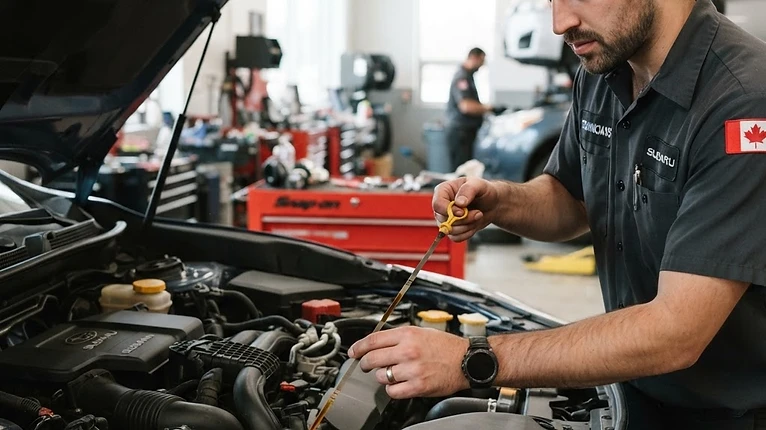
As the Canadian air turns crisp and the leaves start to fall, it is time to shift your focus from summer road trips to cold-weather preparation. One of the most critical steps in preparing your vehicle for the coming months is checking your essential fluids. Fluids don't just keep your engine running; they protect your car from the harsh realities of a Canadian winter. While oil changes are standard, many drivers overlook the other 'lifeblood' fluids that sustain a vehicle when the mercury drops. Understanding which fluids need attention now can save you from a breakdown when you least want to be stranded on a snowy roadside. ## Why Fluids Matter in Canadian Temperatures Cold weather changes how liquids behave. Motor oil can thicken, making it harder for your engine to start, and cooling systems can become vulnerable if the antifreeze ratio isn't correct. By performing a simple fluid inspection now, you are essentially giving your car a health check before the challenging season begins. ## Essential Fluids to Inspect Today 1. Engine Oil: Check your dipstick for both level and color. If it's pitch black or low, it’s time for a refresh. 2. Coolant (Antifreeze): This is non-negotiable. It prevents your engine from freezing and overheating. You can use a simple tester to ensure your coolant is rated for the sub-zero temperatures typical in your area. 3. Brake Fluid: Low levels can indicate worn brake pads or a leak. This should always be clear or light yellow—if it looks dark, it might be contaminated. 4. Washer Fluid: This is often overlooked until the first frost. Make sure you use a winter-rated windshield washer fluid (typically rated to at least -40°C) to prevent the lines from freezing solid. 5. Power Steering Fluid: Low levels can cause stiff steering, which becomes even more noticeable when components are cold. ## Safety Considerations: When to Seek Help While checking fluid levels is a great DIY task, there are clear safety boundaries: * Never check or open the radiator cap when the engine is hot. Wait for the engine to cool completely. * If you see fluid pooling under your car, do not just 'top it off.' This is a sign of a leak that needs a professional eye, especially if it involves brake fluid. * If you are unsure about which specific fluid type or grade your vehicle manufacturer requires, check your owner’s manual. Using the wrong fluid can cause long-term mechanical damage. ## How Fixbud Connects You to Your Vehicle Not sure what that strange-colored fluid on your garage floor actually is, or want to know exactly which product meets your vehicle's specifications? Fixbud is designed to help. Our platform helps you identify whether a fluid-related issue is a simple top-off job or a sign of a deeper maintenance need. By starting with a photo or a description of your vehicle’s problem, Fixbud can provide you with personalized, verified guidance to help you understand exactly what your car needs before you visit a parts store. As we build out our ecosystem, our goal is to connect you not just with the right information, but eventually with the local parts retailers and professional service shops that can help you finish the job with confidence. ## Conclusion Spending twenty minutes checking your fluids this fall is one of the highest-return investments you can make in your vehicle’s longevity. It builds confidence and helps you avoid reactive, expensive repairs later in the season. Start your assessment today to understand exactly what your car requires to stay on the road safely this winter.
Wondering if your own repair is DIY-friendly? Start a Fixbud assessment — snap a photo or describe the damage and get an honest, personalized repair guide in seconds.
Comments
No comments yet — be the first.
Comments are reviewed by an admin before they appear.