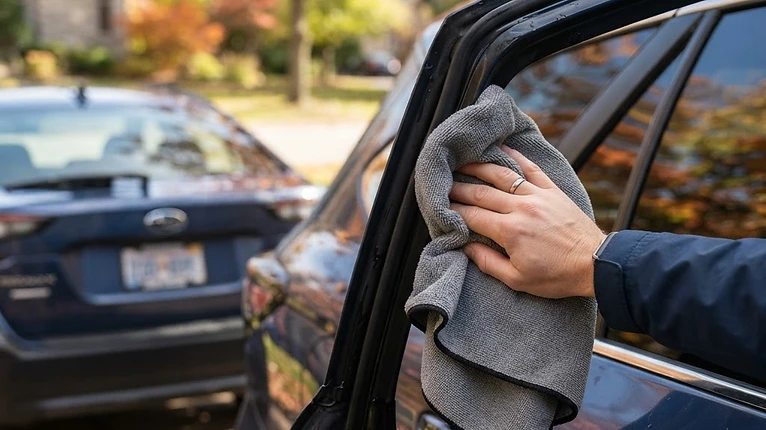
How to Inspect Your Car's Door Seals Before Winter: A Canadian Guide
Don't let ice-locked doors ruin your morning. Learn how to inspect, clean, and protect your vehicle's weatherstripping for the upcoming Canadian winter.
The Morning Ice Struggle
There is nothing quite as frustrating as heading out to your vehicle on a crisp October morning, only to find the door is frozen shut. In Canada, where temperature swings and moisture are part of life, door seals—the rubber weatherstripping lining your door frames—are the unsung heroes of your vehicle. When they fail, you deal with drafts, leaks, wind noise, and doors that refuse to open after a freeze-thaw cycle.
Preparing your car for winter isn't just about tires and fluids; it is about protecting the entry points you rely on every day. A quick, proactive inspection now can save you from a cold, stressful morning later.
Why Your Door Seals Matter
Your vehicle’s weatherstripping serves two primary roles: keeping the elements out and keeping your climate-controlled cabin comfortable. When these rubber seals become cracked, brittle, or contaminated with road grime, their ability to create an airtight and watertight seal diminishes.
Over time, exposure to Canadian UV rays in summer and extreme cold in winter causes rubber to harden. Once it loses its elasticity, it can no longer compress correctly against the door frame, leading to moisture creeping inside. That moisture is what eventually freezes, bonding your door shut.
The Simple Inspection Process
You don't need a professional to tell you if your seals are failing. A visual and physical inspection takes less than 10 minutes.
- Visual Check: Run your eyes along every door frame. Look for cracks, chunks of rubber missing, or areas where the seal appears to have pulled away from the metal.
- The Feel Test: Gently press on the rubber. It should feel pliable and soft. If it feels brittle, stiff, or crumbles to the touch, it has reached the end of its lifespan.
- Debris Check: Look for built-up grit, dried mud, or salt residue. These contaminants act like sandpaper, wearing down the rubber surface whenever the door is opened or closed.
Protecting Your Seals for Winter
If the seals are still in good shape, the goal is to keep them that way. Cleaning the rubber with a mild soap and water solution removes the summer grit. Once dry, applying a silicone-based rubber conditioner helps restore elasticity and prevents moisture from 'sticking' to the seal during those first few sub-zero mornings.
When Should You Seek Professional Help?
If you find that the rubber is physically torn, completely detached, or the door is leaking water into the cabin, a simple cleaning won't fix it. These are signs that the weatherstripping needs to be replaced.
While replacing trim or door seals can sometimes be a manageable DIY task, it requires removing panels and using the correct adhesives to ensure a waterproof seal. If you aren't confident in your ability to remove interior trim without breaking plastic clips, it is often better to have a shop handle it to ensure the integrity of your cabin remains intact.
How Fixbud Can Help
If you find damage to your door seals and aren't sure if it’s a DIY repair or something that requires a professional's touch, Fixbud can help. Our platform helps you identify whether your specific vehicle's trim repair is a beginner-friendly project or a job better suited for a service shop. By starting with a photo, Fixbud provides clear guidance so you can make an informed decision before buying materials or booking an appointment.
Conclusion
Taking fifteen minutes to inspect and maintain your door seals is a small investment that pays off every time the temperature drops. By keeping your weatherstripping clean and supple, you ensure your car stays dry, quiet, and—most importantly—easy to enter all winter long.
Ready to see what your car needs?
Start your Fixbud assessment to understand your repair needs today.
Wondering if your own repair is DIY-friendly? Start a Fixbud assessment — snap a photo or describe the damage and get an honest, personalized repair guide in seconds.
Comments
No comments yet — be the first.
Comments are reviewed by an admin before they appear.