How to Inspect Your Car's Lighting for Fall: A Canadian Guide
As the days get shorter in Canada, ensure your car's lights are ready for fall. Learn how to inspect your headlights, taillights, and signals for safety.
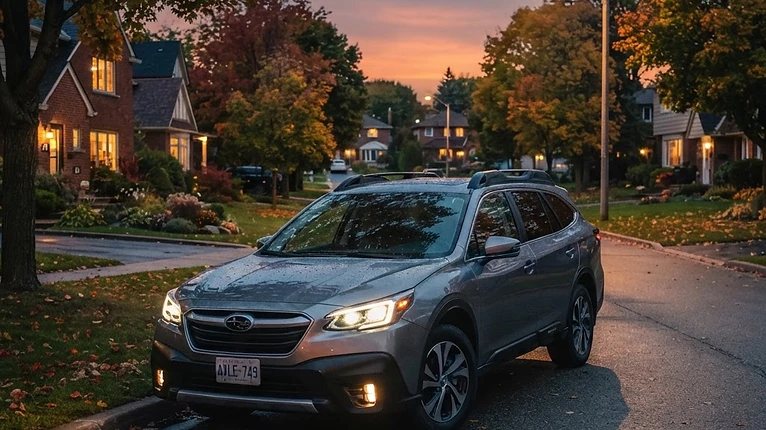
As the days get shorter and the evenings grow darker, your vehicle's lighting becomes your most important safety feature. In Canada, autumn brings not just earlier sunsets, but also increased rain and unpredictable fog, making clear visibility essential for every driver. If you have noticed your headlights looking dim, yellowed, or simply not performing as well as they once did, now is the time to take action. ## Why Lighting Maintenance Matters During the Fall Transition Moving from summer into fall, you will quickly notice the shift in natural light during your morning and evening commutes. Properly functioning lighting isn't just about seeing the road; it is about ensuring that other drivers can see you. Dim headlights or a burnt-out tail light can significantly reduce your reaction time and increase the risk of accidents during rainy or misty conditions. ## How to Conduct a Basic Lighting Inspection You do not need a shop full of specialized tools to perform a basic check of your vehicle's lighting system. Follow these steps to ensure you are ready for the season: 1. The Walk-Around: Turn on your headlights (low and high beams), parking lights, and hazard lights. Walk around the vehicle to confirm every bulb is functioning. 2. Check Your Signals: Turn on your left and right signal indicators. Ensure both the front and rear lights are flashing at a steady pace. 3. Inspect the Lenses: Check for condensation inside the light housing. While a small amount of fog can be normal, persistent water accumulation can indicate a seal failure that may lead to electrical issues. 4. Assess Clarity: Look for yellowing or cloudiness on the plastic headlight lenses, which can diffuse light and reduce your beam distance. ## When to Seek Professional Help While changing a simple bulb is a common DIY task, some lighting repairs are more complex. If you notice flickering lights, a 'light out' warning indicator on your dashboard that persists after a bulb change, or significant damage to the light housing, it is time to consult a professional. Improperly aimed headlights or damaged wiring can be dangerous, and trying to force a repair on modern, complex electrical systems can lead to more costly problems down the road. ## How Fixbud Can Help If you discover issues with your lighting, it can be difficult to know whether you are looking at a simple DIY bulb replacement or a deeper electrical fault. Fixbud allows you to start with a photo of the area in question, helping you identify exactly what you are dealing with. We provide clear, verified procedures to help you understand if the fix is safely within your skill set or if it is time to connect with a trusted local repair professional. Don't let dim lights catch you off guard this season. Start your Fixbud assessment today and ensure your vehicle is ready for the darker months ahead.
Wondering if your own repair is DIY-friendly? Start a Fixbud assessment — snap a photo or describe the damage and get an honest, personalized repair guide in seconds.
Comments
No comments yet — be the first.
Comments are reviewed by an admin before they appear.