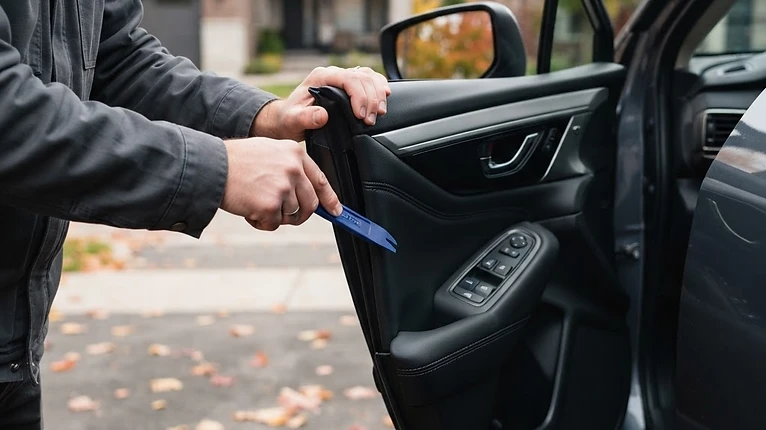
How to Diagnose and Fix Minor Car Trim Damage Before Winter
Don't let cracked trim turn into a bigger problem. Learn how to identify and repair minor exterior car trim damage to protect your vehicle from winter salt.
Heading into Winter: Protecting Your Vehicle's Trim
As the temperature drops and the leaves fall across Canada, we often focus on the big stuff—tires, batteries, and coolant. But if you’ve noticed your car's exterior trim—those plastic or rubber strips around your doors, windows, and bumpers—starting to look faded, cracked, or loose, now is the time to act. In the Canadian climate, loose trim isn't just an aesthetic issue; it's a gateway for road salt and moisture to get trapped against your vehicle's paint and body panels, eventually leading to rust.
Why Trim Damage Matters in Canada
Think of your car's trim as the seals that protect the 'hidden' areas of your bodywork. When plastic molding or rubber weatherstripping becomes brittle due to summer UV rays or gets snagged on ice, it stops doing its job. During a typical Canadian winter, road salt and slush will find the path of least resistance. If your trim isn't flush against the body, that salt accumulates in the gaps, creating the perfect conditions for hidden corrosion.
Assessing the Damage: DIY or Professional?
Before you start pulling at loose pieces, you need to understand what you're dealing with. Some trim damage is easily resolved with basic tools and clips, while other types of damage suggest the underlying fasteners or metal brackets are compromised.
When You Can DIY
- Minor scuffs or light scratches on plastic trim.
- Faded color that can be restored with a quality plastic trim restorer.
- Loose or popped-out clips that can be re-seated with a trim removal tool.
- Minor lifting of adhesive-backed trim that requires a specialist automotive adhesive.
When to Seek Professional Help
- Deep, structural cracks in the bumper or trim that impact safety sensors.
- Trim that is held in place by complex interior door panel clips (risk of breaking glass or wiring).
- Situations where the underlying body metal is already showing signs of bubbling rust.
A Simple Process for Minor Trim Repair
- Clean the area: Use an automotive-grade cleaner to remove wax, road film, and dirt. Adhesive won't stick to a dirty surface.
- Dry thoroughly: Moisture is the enemy of any repair. Ensure the area is completely dry.
- Assess the hardware: If a clip is broken, it usually needs to be replaced rather than glued. Using the wrong adhesive on plastic can actually cause more damage.
- Apply protective coating: Once the trim is secure, applying a UV-protectant trim dressing helps prevent the plastic from turning brittle during the upcoming cold snap.
Safety Warning
Always use proper automotive-grade tools. Avoid using metal screwdrivers to pry off trim, as they will scratch your paint and create new rust points. If you are working on trim near airbags (especially near the roof pillars), exercise extreme caution or consult a professional, as improper handling can interfere with safety systems.
How Fixbud Can Help
Not sure if that piece of trim is just loose or if it’s hiding a deeper issue? Fixbud helps you cut through the guesswork. By uploading a photo of the area, you can receive a personalized assessment of whether this is a quick DIY project or if you need to visit a body shop before the first heavy snowfall. Fixbud helps you understand exactly what parts or supplies you actually need, saving you from buying products that won't work for your specific vehicle trim.
Conclusion
Taking an hour on a weekend to tidy up your vehicle's exterior trim is one of the easiest ways to protect your investment from the harsh Canadian winter. A little bit of preventative care now can save you from a much more expensive repair bill in the spring. By addressing these small gaps and cracks today, you ensure your vehicle stays sealed and protected against whatever the season throws at it.
Ready to get your car ready for the cold? Start your Fixbud assessment today and see what's really going on with your vehicle's trim.
Wondering if your own repair is DIY-friendly? Start a Fixbud assessment — snap a photo or describe the damage and get an honest, personalized repair guide in seconds.
Comments
No comments yet — be the first.
Comments are reviewed by an admin before they appear.